Territorial cooking searches for a viable model
Fonda Xesc becomes the setting for Radicea’s Field Lab
Territory is shaping gastronomy’s next chapter
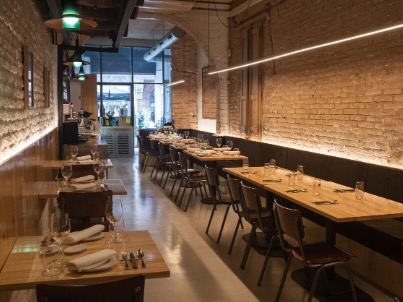
Regenerative gastronomy is moving beyond declarations of intent and into real-world testing. In Gombrèn, a Michelin-starred restaurant, local producers and the surrounding landscape become a working case study to explore whether sustainability, territory and economic viability can move forward together.
Fonda Xesc becomes a real-world case study
07/09/26
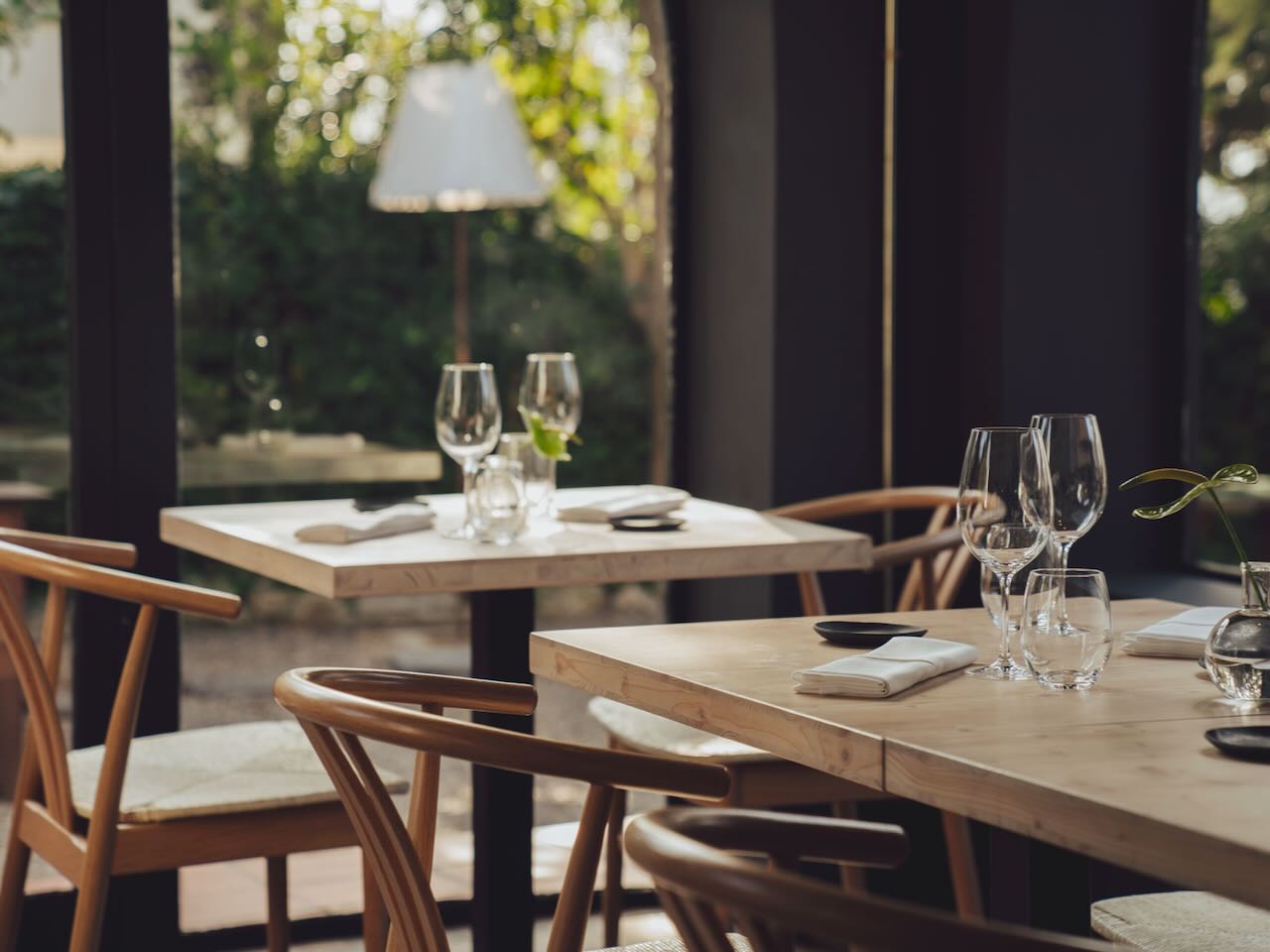
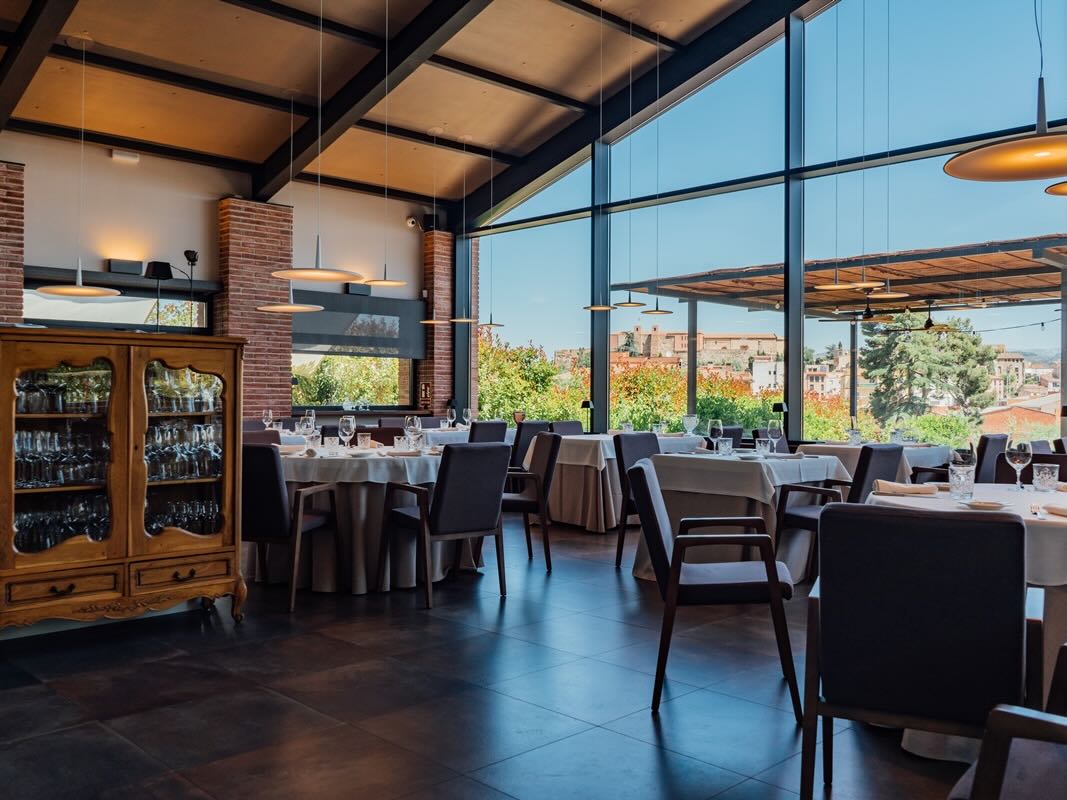
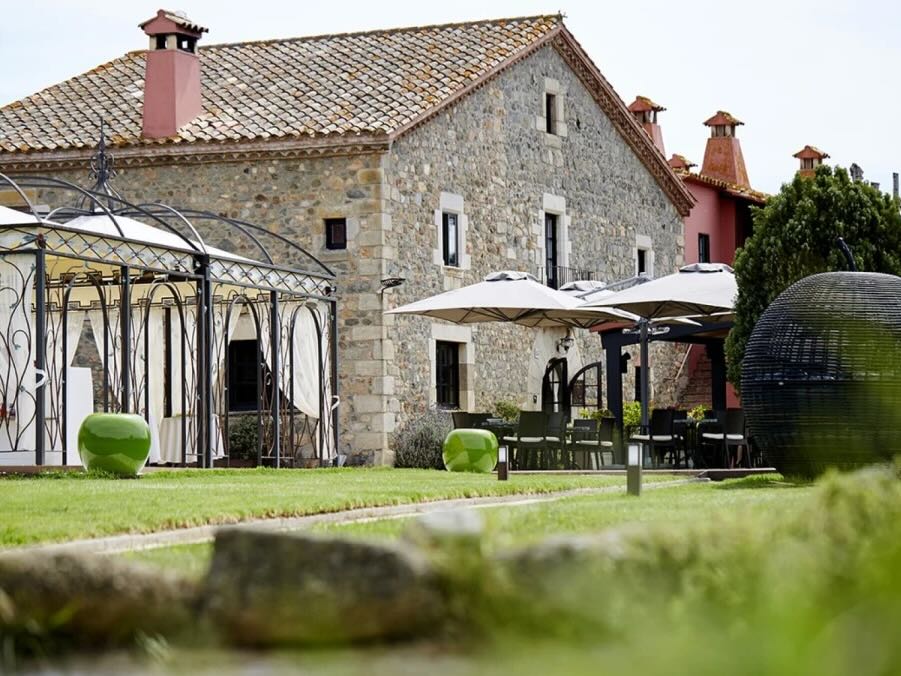
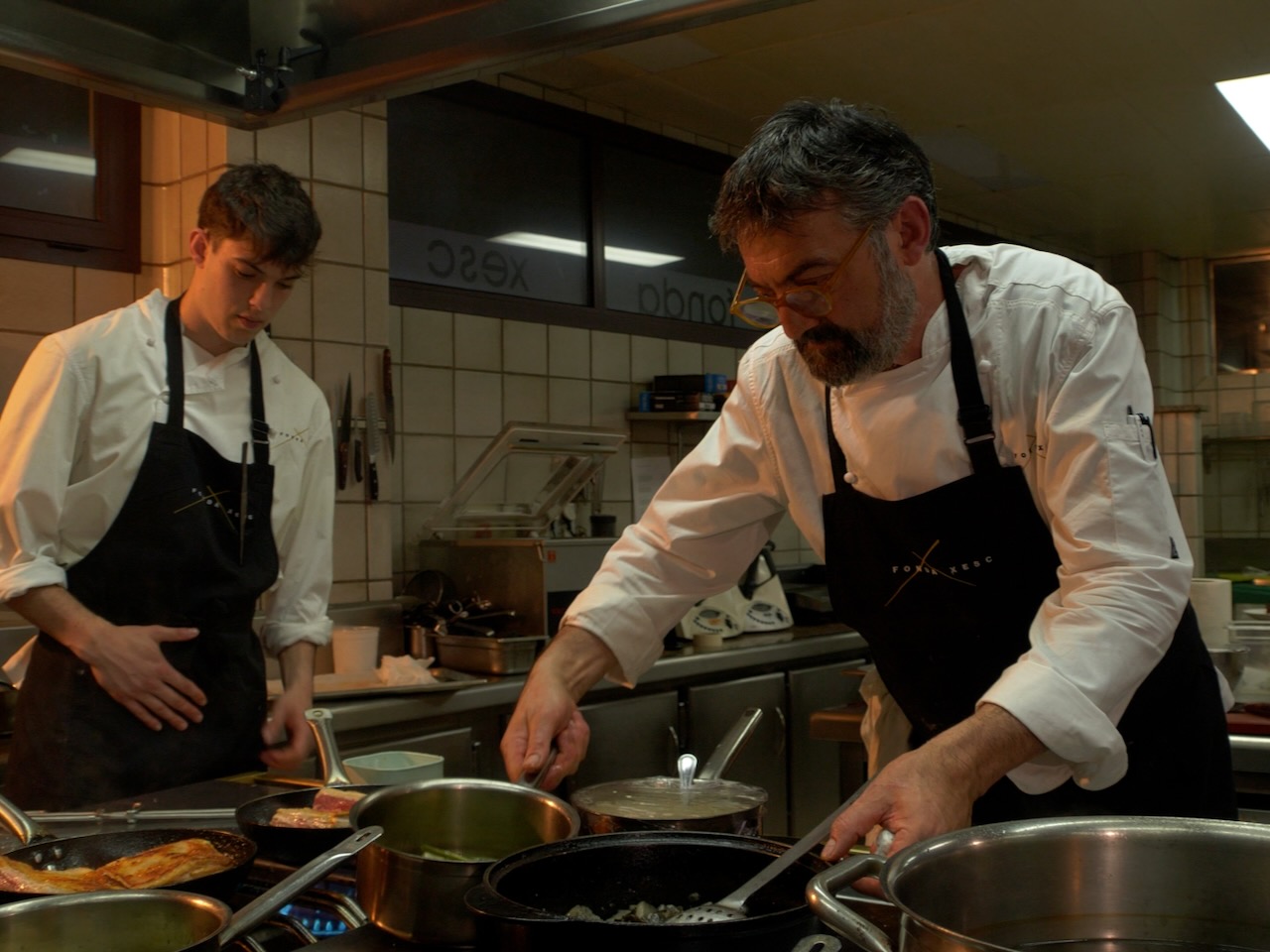
From September 18 to 20, Fonda Xesc will host Radicea’s Field Lab, bringing together chefs, producers, architects and European professionals to examine regenerative gastronomy. The starting point is unusual: Francesc Rovira has held a Michelin star since 2009 in a village of around 200 inhabitants.
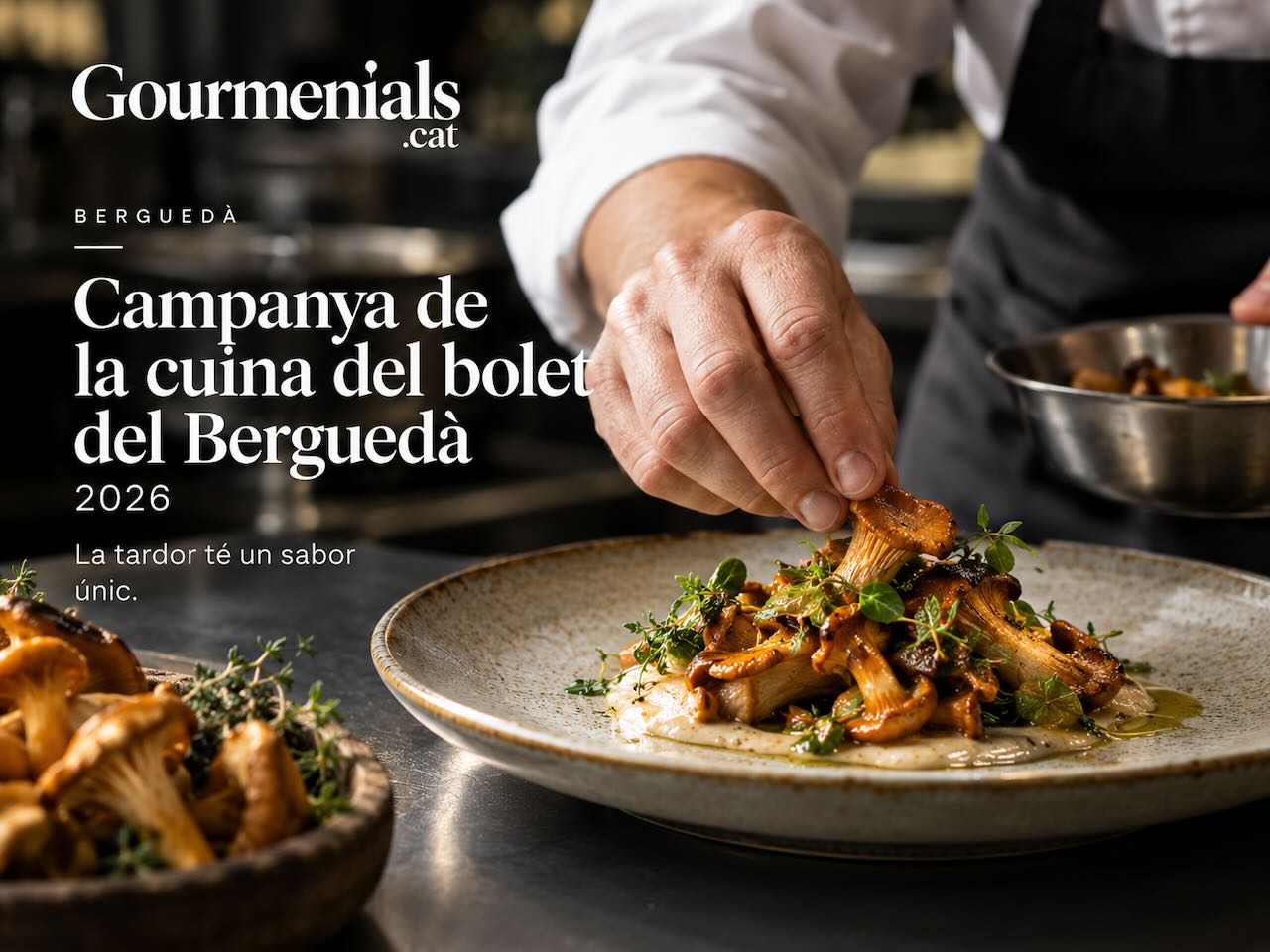
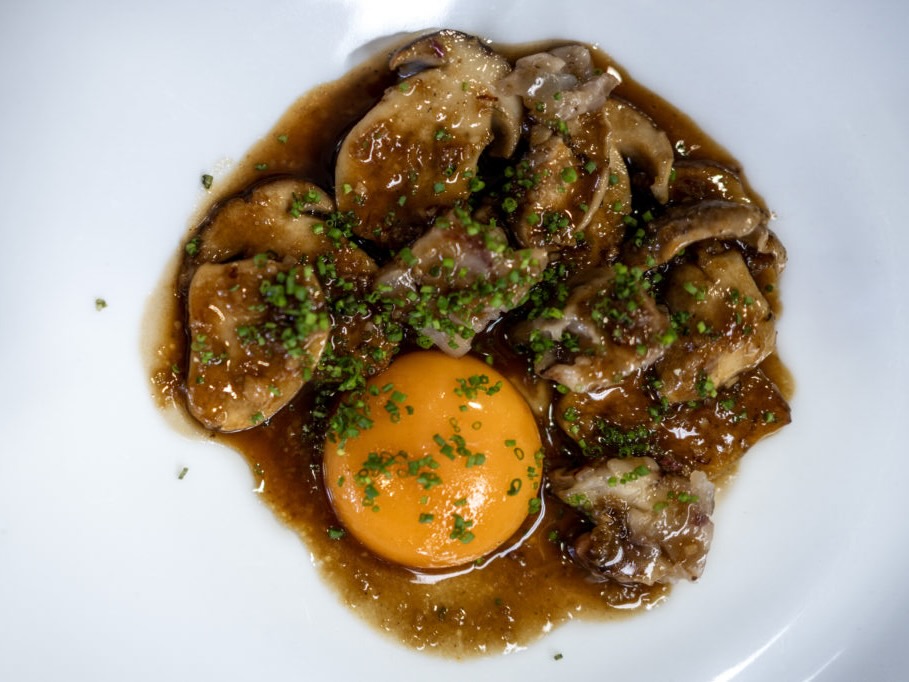
The restaurant works with products rooted in the Ripollès region, including Ripollès sheep and wild mushrooms, while maintaining a direct relationship with farmers and producers in the surrounding area. Rovira, who trained in the kitchens of Santi Santamaria at Can Fabes, has built his approach around territorial cooking and local producers, including the commitment to paying fair prices.
This track record makes Fonda Xesc more than the venue for an event. It becomes the practical case study behind Radicea’s central question: if this model works in a small Pyrenean village, which of its practices can become a method and be applied elsewhere?
Three days to turn ideas into action
The programme opens with “Menjar el paisatge”, a session combining talks and gastronomy. Chef Ada Parellada will address food waste, while winemaker Núria Artiaga will present Recaredo’s approach. Francesc Rovira will then serve a Michelin-starred dinner paired with the winery’s biodynamic wines. The evening will close with a jazz performance by Sara Lilu & Alesander Peña.
The central day, “Idees, prototips i aliances”, focuses on working with the territory. Speakers include Thieu Besselink of Academy of Place and Ar van Rossum of The Brothel in Amsterdam. The programme also includes an ecosystem mapping session with Joan Salicrú, Danko Perkovic, Núria Artiaga, Conxita Cortina and Lluís Borrell, alongside a session on ecodesign in restaurants led by architect Ricard Galiana of RGN Arquitectes.
What sets the programme apart from a conventional forum is its emphasis on prototyping collaborations between producers and chefs, with commitments set against a 30-day horizon. The aim is to turn ideas developed during the Field Lab into concrete actions.
The landscape also becomes part of the kitchen
The third day explores the relationship between gastronomy and the natural environment. The “El bosc i la pastura” workshop will have participants cooking with Rovira using the work developed during the afternoon. The dinner will be the direct result of that process.
The programme concludes at the Gombrèn Botanical Garden of Medicinal Plants with “El rebost silvestre”. The experience includes an ethnobotanical walk with Lluís Borrell of Col·lectiu Eixarcolant, a plant session with Conxita Cortina, and a six-hands aperitif and lunch prepared with ingredients gathered during the morning.
The Field Lab offers forty places for each activity, while the full programme is limited to a cohort of twenty participants. The project is supported by Recaredo and RGN Arquitectes and co-financed by the European TASTE programme. Recaredo’s involvement connects directly with an approach to winemaking based on biodynamic viticulture, respect for the landscape and the restoration of natural balances in the vineyard.
🔎 Gourmenials Signature
What makes Radicea particularly relevant is its decision to place regenerative gastronomy in the context of viability, rather than sustainability alone. Recaredo strengthens that perspective by bringing the experience of a winery that has made biodynamics and its relationship with the territory structural elements of its model. Fonda Xesc represents the other end of the chain: cooking, ingredients and relationships with local producers. The real test is whether these practices can be replicated and generate enough value for regeneration to move beyond a narrative and become a gastronomic business model.
+ info
web >>> www.radicea.com
instagram >>> www.instagram.com/radicea.lab
GOURMENIALS+